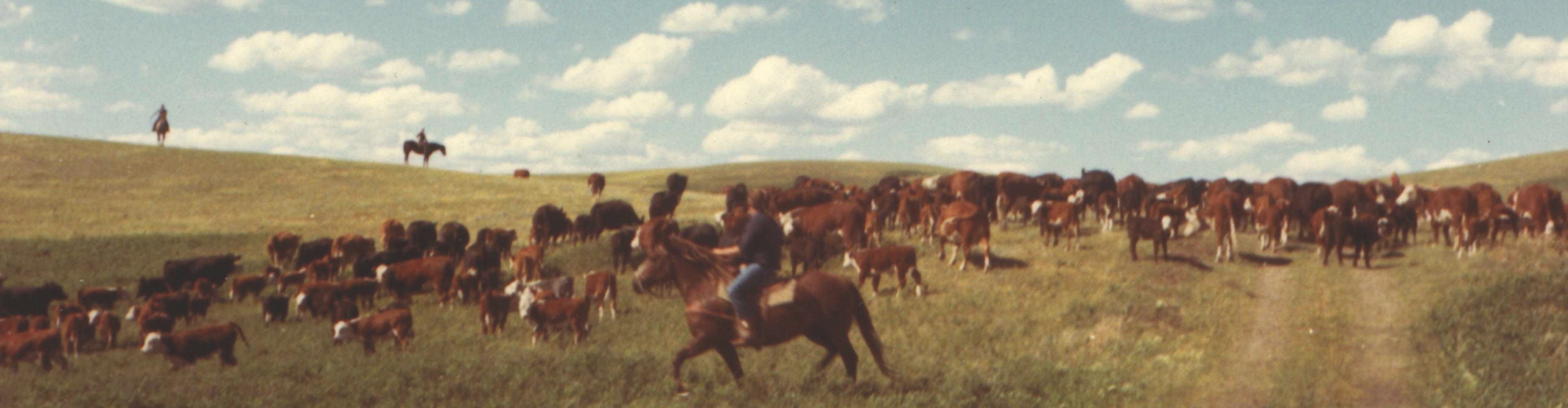
Each spring on our farm
the old father sun turned up his warmth and
charm
melting the frost deep in the heart of the mother
earth
The
egg babies
thereby created
rose to the surface
to play in the open air
mischievous miscreants all
waiting to jamb diskers and drills
and if they get a little grain to hide in
ambush swathers, combines, and oil pans of
grain trucks
so we had to gather them into
school bus stone boats and wagons and haul
them off to places where they could be with their
older brothers and sisters on the reform school
rock pile
there is still some hope
that someday they can learn to be pillars of the
community
I remember at Christmas getting a great threshing machine
a block of wood with wooden spools nailed to the side
but I loved it as I loved the threshing
All through the long summer days I would walk
the fields with my dog
At night my mother rubbed strong liniment on four year old
legs: growing pains she said, although one always hurt
more and didn’t seem to grow any faster
And the grain grew too, and passed me, and was higher
than I was. And then the harvest and the wonder of it falling
to the binder and the magic of the machine as it tied the
sheaves and ke-chunked them into the carrier
Then the stooking – little teepees covering the prairie again
and the golden warmth of everything
And the threshing machine; they wouldn’t let me too close;
it might eat me like it ate those sheaves and like the men
in the crew could eat, and they could eat
even when it rained
While I sat for hours nose to wet window
watching the great gray dinosaur
deep in the timeless mists
And hot clear windless days when everything sang and
the big belt slapped and the machine came to life again
and wagons were on both sides
and the big horses were standing strong and ready
and switching flies with dignity
The sun caught the arch or the long plume of straw and
the chaff lifting and the old hands fed the machine in a
sort of easy sweat-oiled rhyme and the new hands stood
on the sheaves they tried to lift each time
And the old hands laughed, and the new hands laughed
and they were men together
When we moved to Mossbank I was twelve. Mother
would sometimes stop us all from playing and send us
over to see her mother, who lived in a little house on
the South side of town
We never really knew what to say to her, or she to us,
and I never really until now thought about whose
shyness set that pace.
She was a nice enough lady and gave us cookies, and
she had diabetes and a leg that wasn’t there anymore.
She may have had grand stories to tell us, about her
family and childhood in England and Ontario and her
brother lost at sea, and the tough times and the good
times in the West, and our grandfather whom we’d
never met.
What was he like
Were we like him
Would we want to be?
These things would have been a leap into total honesty:
it was a leap we never took. We spent the afternoons in
leaps more comfortable to us all;
small colored marbles over
small colored marbles
in the inscrutability
of Chinese Checkers